Discoveries that changed what the field could ask.
From finding the right branches of the tree to sequencing their genomes, reading their regulatory systems and making their biology experimentally accessible.
First, ask the question. Then find the organism that can answer it.
The organism should not define the question. The question should lead us to the right organism. Ours is fundamental: how did multicellular animals evolve?
15
turning points in view
2010Genomes
Capsaspora + Apusomonadida
The adhesome came before animals.
Core components of integrin-mediated adhesion and signalling were found outside animals, revealing that a central multicellular toolkit has deep unicellular roots.
The basic repertoire of cytoplasmic tyrosine kinases was already established before filastereans separated from animals and choanoflagellates, while receptor tyrosine kinases diversified independently in each lineage.
Its genome exposed a richer prehistory of adhesion and transcriptional regulation—and showed why animal origins cannot be reconstructed from choanoflagellates alone.
The first functional toolkit in a close animal relative.
Cell transformation and targeted gene silencing were established for the first time in a close unicellular relative of animals, revealing synchronized nuclear division and development from a multinucleate syncytium.
A unicellular gene worked inside an animal embryo.
Capsaspora Brachyury partially rescued disrupted Brachyury function in Xenopus embryos, demonstrating deep functional conservation while exposing a crucial change in target specificity at the origin of animals.
Taxon-rich phylogenomics resolved key opisthokont relationships and revealed repeated changes in lifestyle, flagella and feeding across the branches around animals and fungi.
The first dynamic regulatory and epigenomic atlas in a close unicellular relative showed ancient transcription-factor networks—and helped identify distal enhancers as an animal innovation.
Proteomics and phosphoproteomics revealed extensive remodelling across Capsaspora’s life stages, connecting ancestral signalling to cell differentiation before animals.
Innovation was mapped across the unicellular tree.
Comparative genomes showed that the animal toolkit emerged through successive gains, losses and repurposing across several unicellular lineages—not in a single burst.
Animals and fungi began diverging before either existed.
Four strategically placed genomes revealed opposite ancestral trajectories: gene accumulation along the animal stem and extensive loss along the fungal stem.
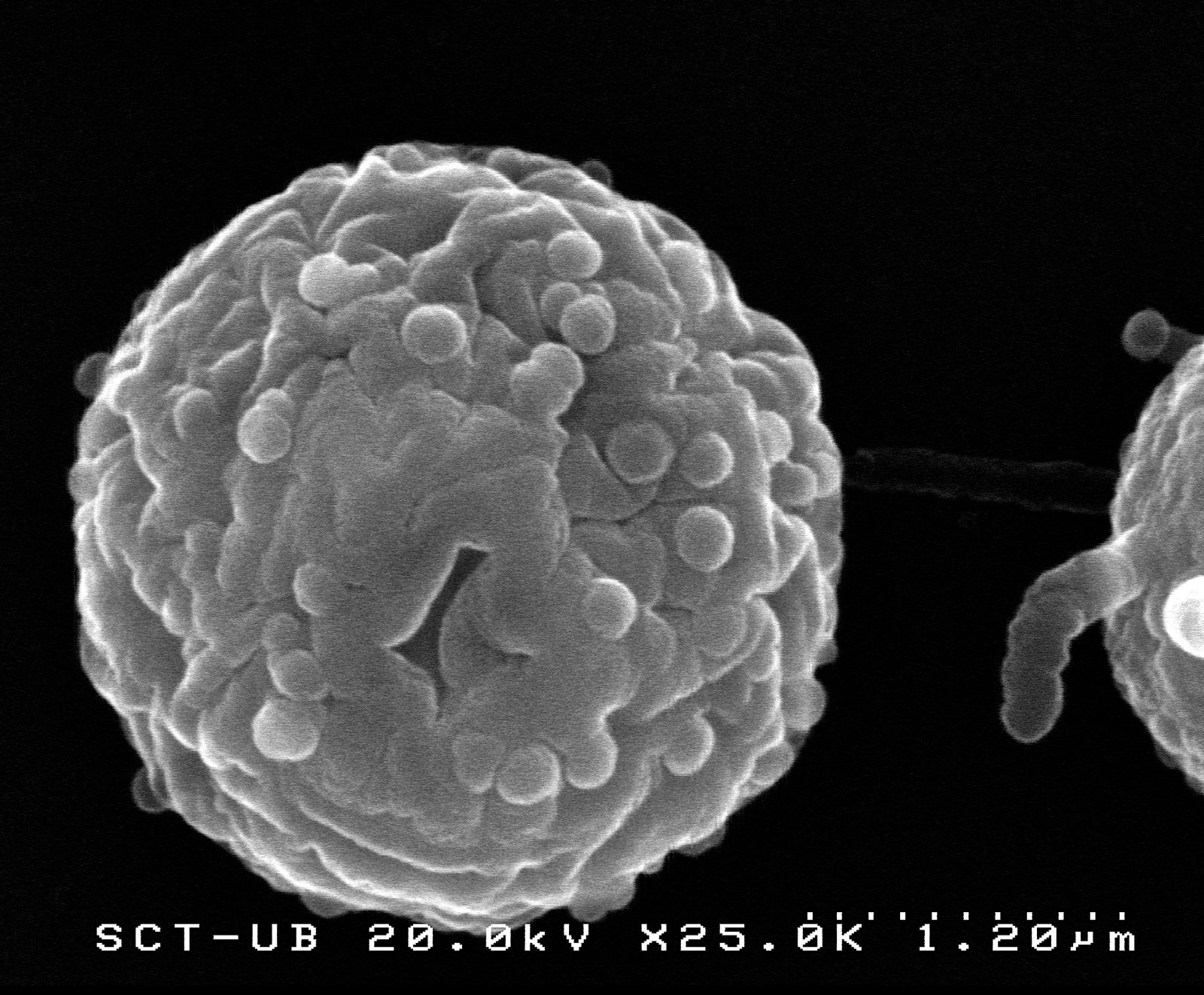
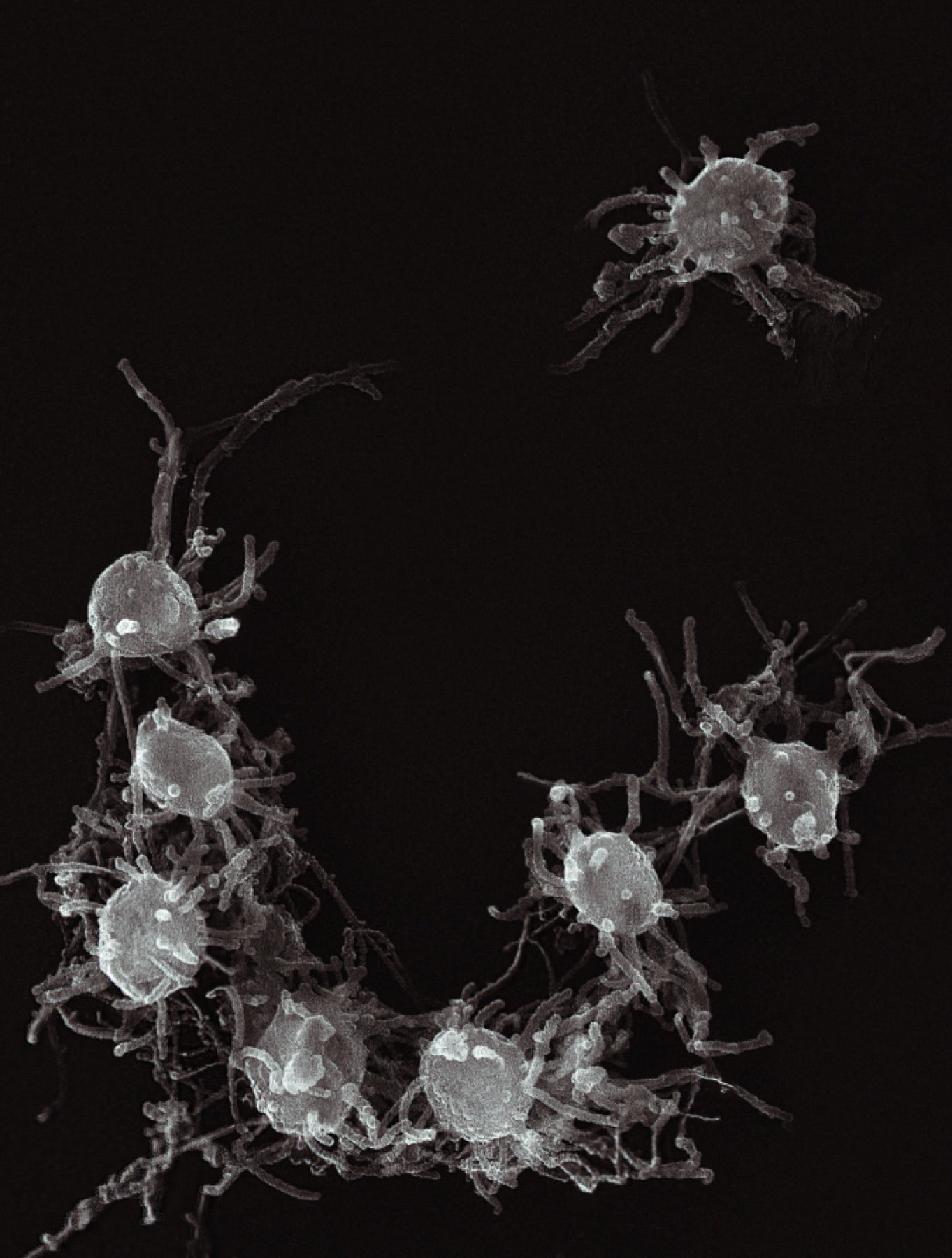
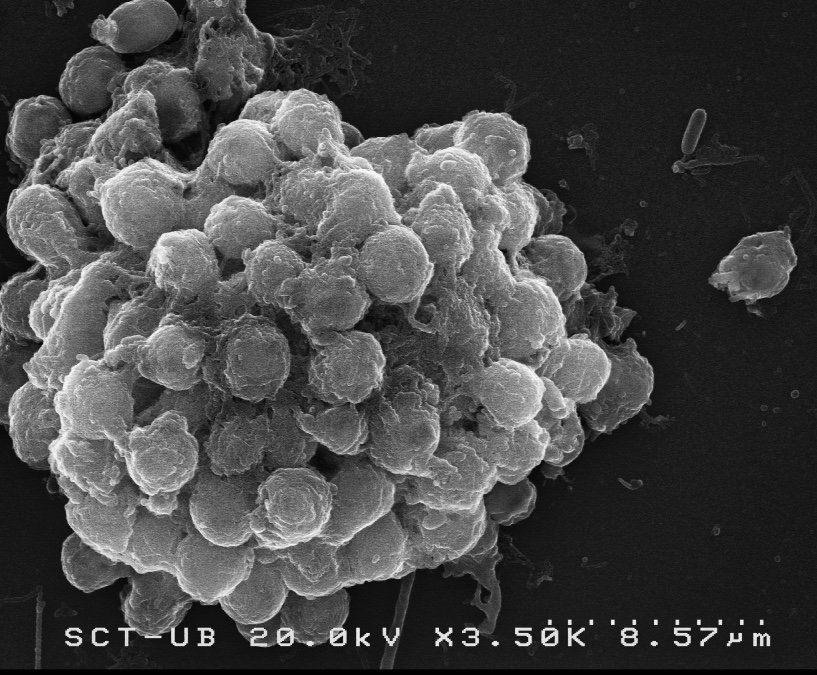
Capsaspora aggregate · scanning electron microscopy13
2025Experimental tools
Corallochytrium limacisporum
Genome editing reached a unique holozoan branch.
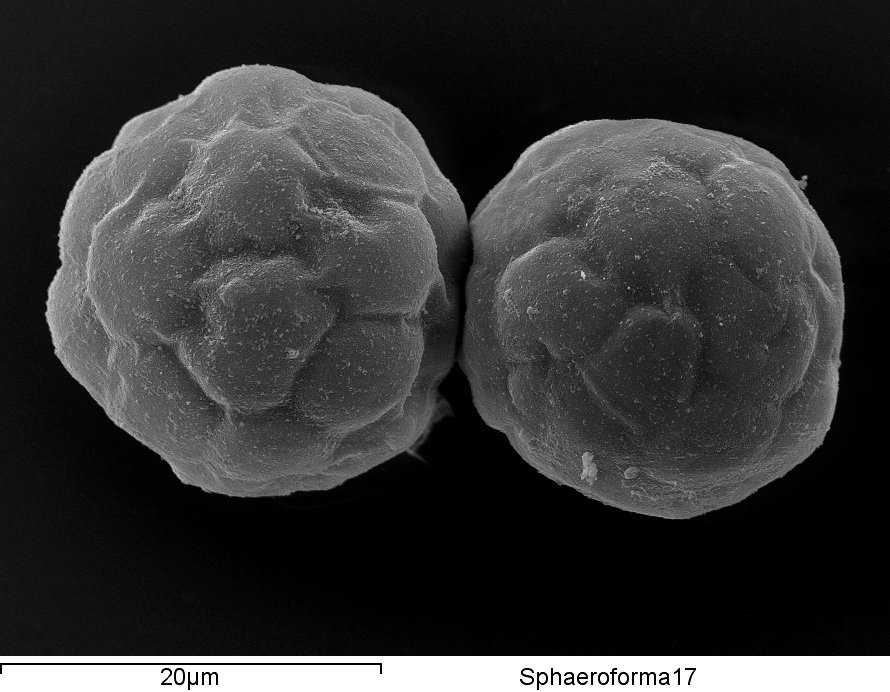
CRISPR–Cas9 editing, including gene inactivation and targeted repair, made Corallochytrium a functional model for a lineage represented by no other cultured species.
Aggregation moved from exception to evolutionary hypothesis.
Ministeria forms stable, reproducible aggregates and deploys animal-related adhesion, signalling and regulatory genes—supporting an ancient role for aggregation in animal origins.