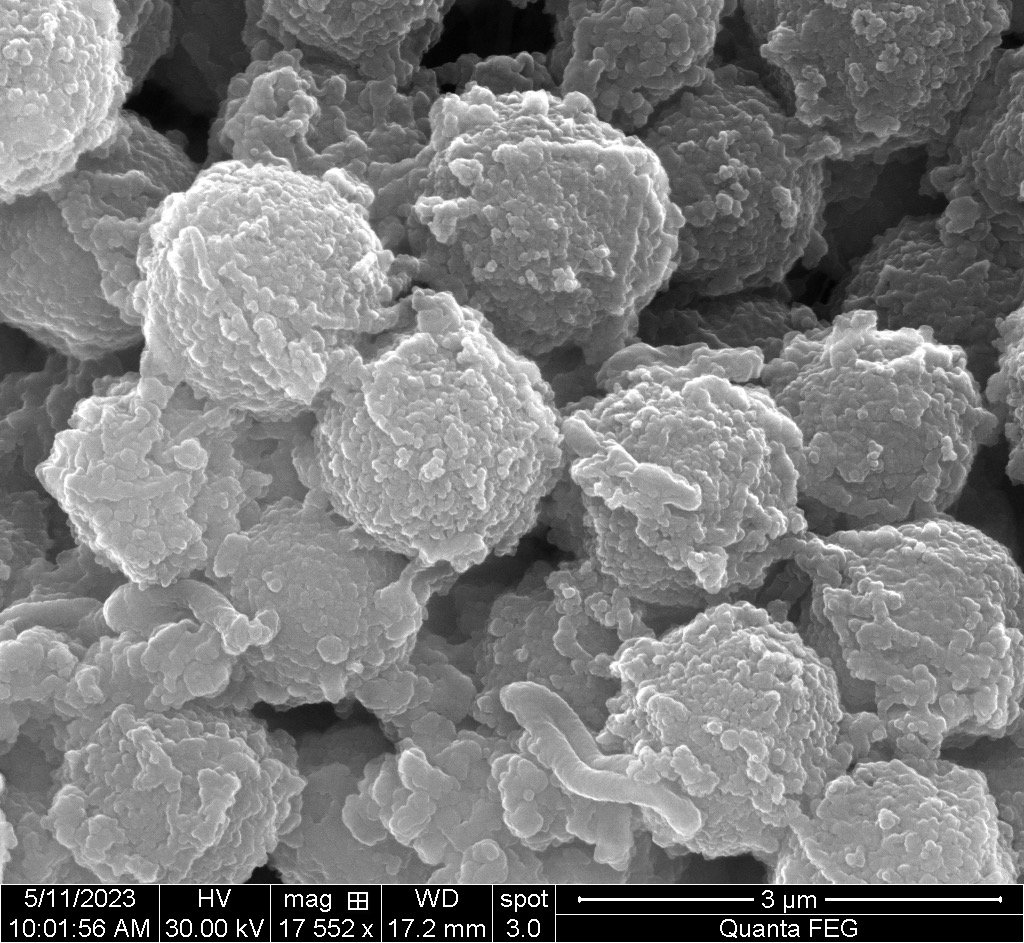
FILASTEREA / COLLABORATIVE SYSTEM
Ministeria
vibrans
Bacteria shape filopodia.
Cells assemble.
Live microscopy · Multicellgenome Lab
A FILASTEREAN WINDOW
One lineage.
Cells that gather.
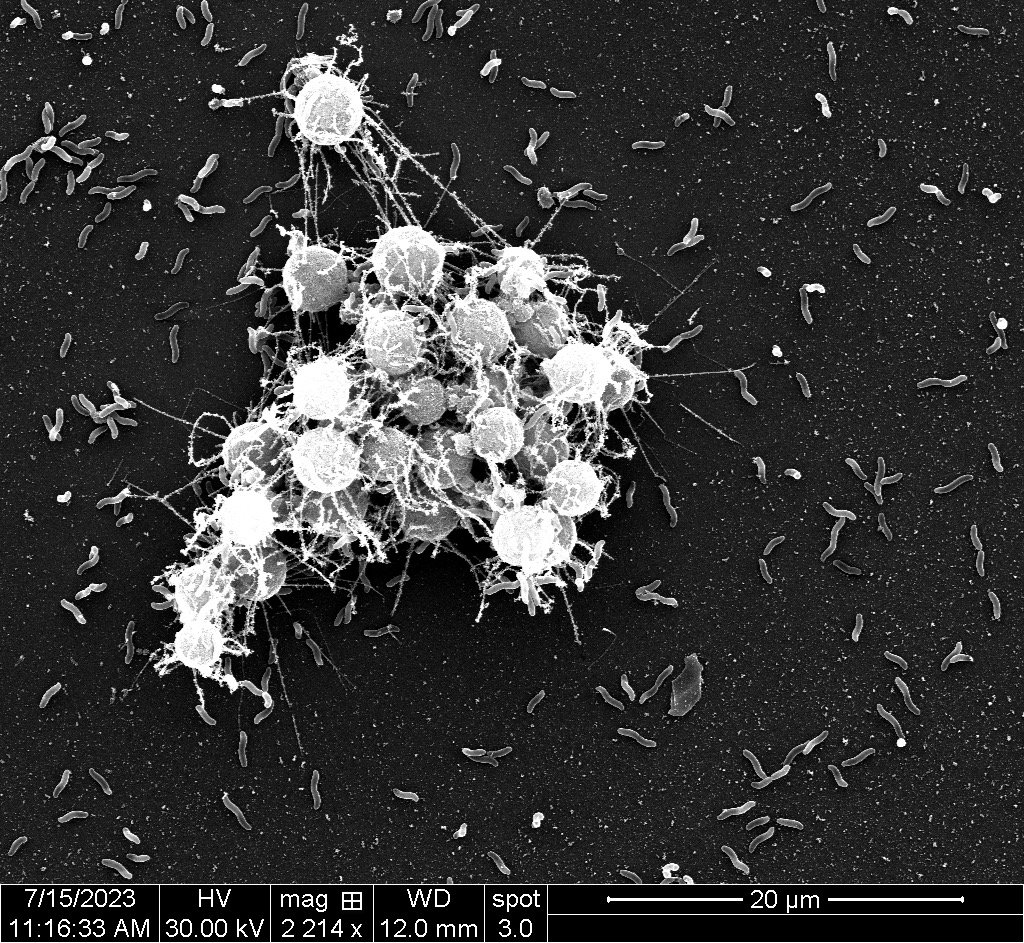
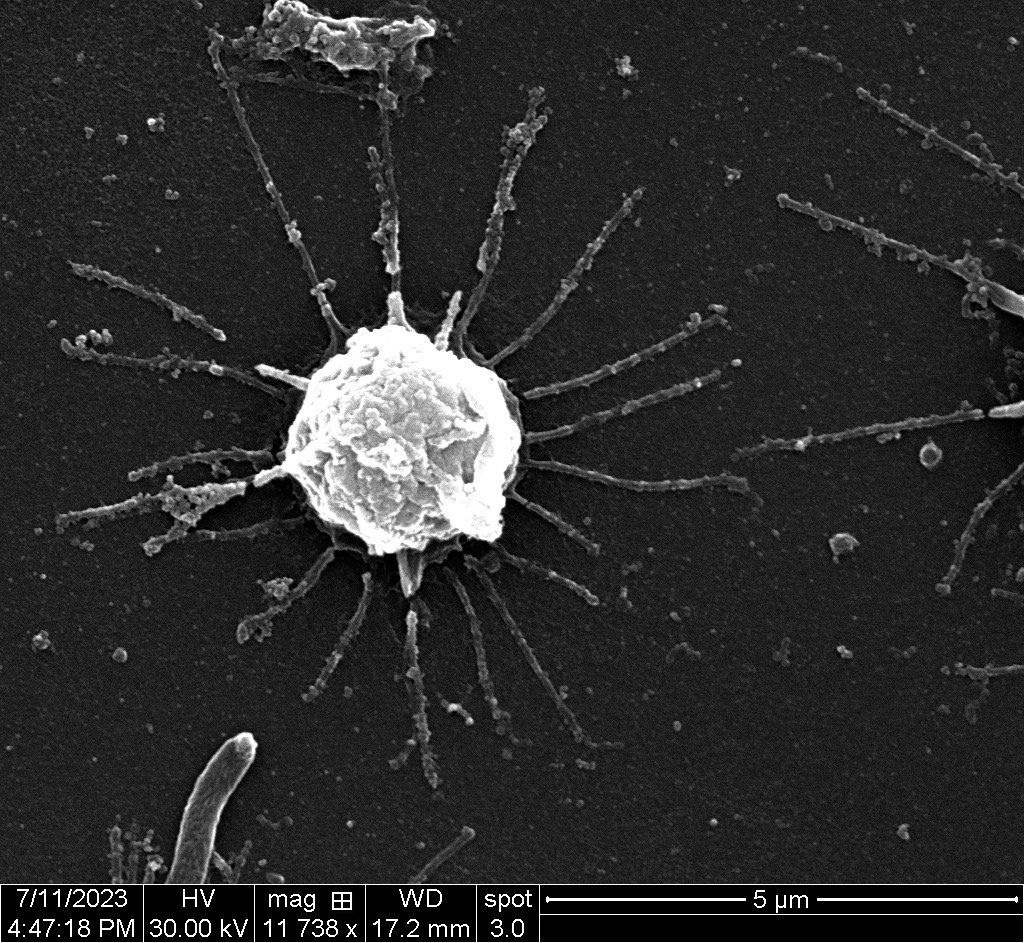
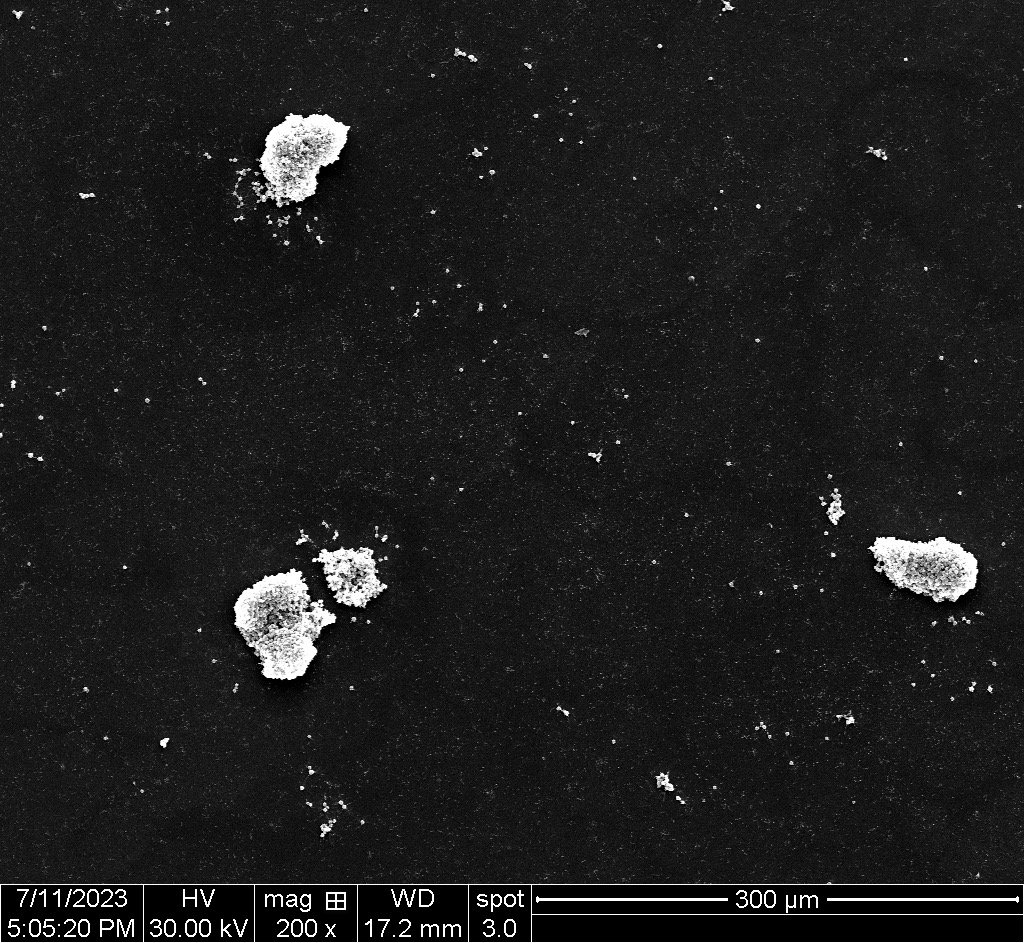
Ministeria vibrans is a free-living filasterean with radiating filopodia. In culture, cells aggregate when interacting with bacteria, making it a distinctive system for asking how microbial interactions can shape cell behaviour and multicellular organisation. Its placement beside Capsaspora established Filasterea as a major branch among the closest unicellular relatives of animals.
AGGREGATION IN VIEW
Cells connect.
Aggregates merge.
A COLLABORATIVE ADVANCE
From genome
to aggregation.
Multicellgenome maintained culture and developed a high-quality genome for Ministeria, extending the comparative platform. Its experimental aggregation programme is now being advanced jointly with J. P. Gerdt’s laboratory. The resulting system lets us investigate whether cellular aggregation was one possible route toward the first animals.
KEY PAPERS
Position. Genome.
Experiment.
First description of Ministeria
The original study introduced this remarkable filose protist and its distinctive morphology.
↗2008Placing Ministeria on the tree
Multigene phylogeny recovered Ministeria and Capsaspora as Filasterea, sister to choanoflagellates plus animals.
↗2012Genome-enabled comparisons
Genomic analyses revealed deep conservation of tyrosine kinases and other signalling machinery before animals.
↗2026Aggregation as an experimental system
A collaborative study established Ministeria aggregation as a tractable route for testing hypotheses about animal origins.
↗GENOME & RESOURCES
Explore the system.
CONTINUE EXPLORING